
When the day changes, the plan changes with it
A truck breaks down, a road closes, a load leaves late. Instead of a morning on the phone, our models re-optimize the remaining stops across the whole fleet, within the time windows and driving-time rules. The planner approves, and the new routes go straight to the drivers.
Real-time replanning · 1 min
The plan holds until the first phone call
The day starts with a good plan, and then reality arrives: a breakdown halfway through the morning, a road closure, a load that leaves the depot late, a customer who moves a delivery window. The planner works the phone and a spreadsheet, patching routes by hand, one call at a time.
While the plan catches up, delivery windows slip, drivers wait for instructions, spare capacity elsewhere goes unused, and customers hear about it late, or not at all.
Disruptions arrive mid-route
Breakdowns, closures and late loads hit when vehicles are already on the road, exactly when every minute counts.
Patched one call at a time
Moving stops by hand fixes one route and quietly breaks another: the next window, the next driver's hours.
Customers left guessing
Without a new plan there is no reliable new arrival time, so customers chase you instead of the other way round.
The remaining stops, re-optimized across the fleet
When something changes, we re-optimize what is left of the day: every open stop and every vehicle still on the road, within your rules. The planner sees the proposal, approves it, and the new routes go out.
What goes in
- The live plan: open stops, vehicle positions and progress
- The disruption: a breakdown, a closed road, a late load, a changed window
- Remaining capacity and driving hours per vehicle and driver
- Traffic and travel-time information where available
Constraints handled
- The time window of every remaining stop
- EU driving-time and rest rules, counting the hours already driven
- Vehicle capacity and what is already on board
- Stops that must stay with a vehicle, and loads that cannot move
What the planner sees
- A proposed new plan, showing which stops moved where
- Windows at risk before and after, side by side
- One approval to send the new routes to the drivers
- Updated arrival times to inform the customers concerned
Measured on your disruptions, not promised up front
We do not quote recovery figures before we have seen your days. In a shadow run, we replay real disruptions from your history and compare our replans with how those days actually went, on the same orders and fleet.
These are the measures a shadow run compares. Outcomes depend on your network, disruptions and data, and are not guaranteed.
- Delivery windows kept
- Compared with the day as it went
- Time to a new plan
- Measured per disruption
- Extra kilometres and vehicles
- Compared on the same orders
Planning before and during the day
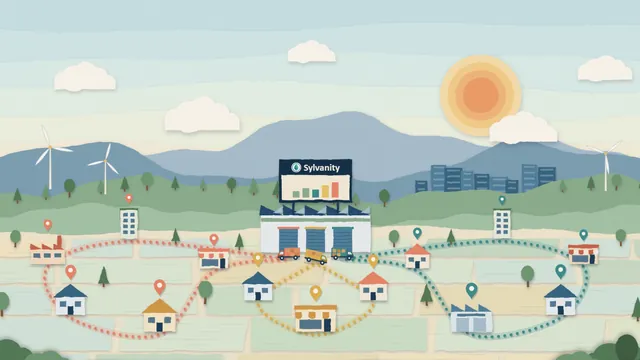 Route optimizationThe plan the day starts with: routes optimized with time windows, capacity and driving-time rules built in.Explore route optimization
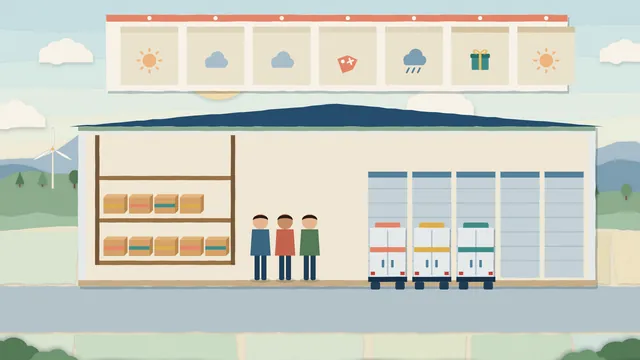 Demand forecastingReplanning handles the day; forecasting prepares the week, with trucks and staff planned for the volume that is coming.Explore demand forecasting
Bring one planning problem to a working session
Tell us where planning hurts today. In one session we map it to the modules that fit, and what a shadow run on your data would look like.
Schedule an appointment
Real-time availability. Instant Teams invite.
- Direct with our engineers
- Cancel or reschedule any time